
Industries We Staff
Food Production
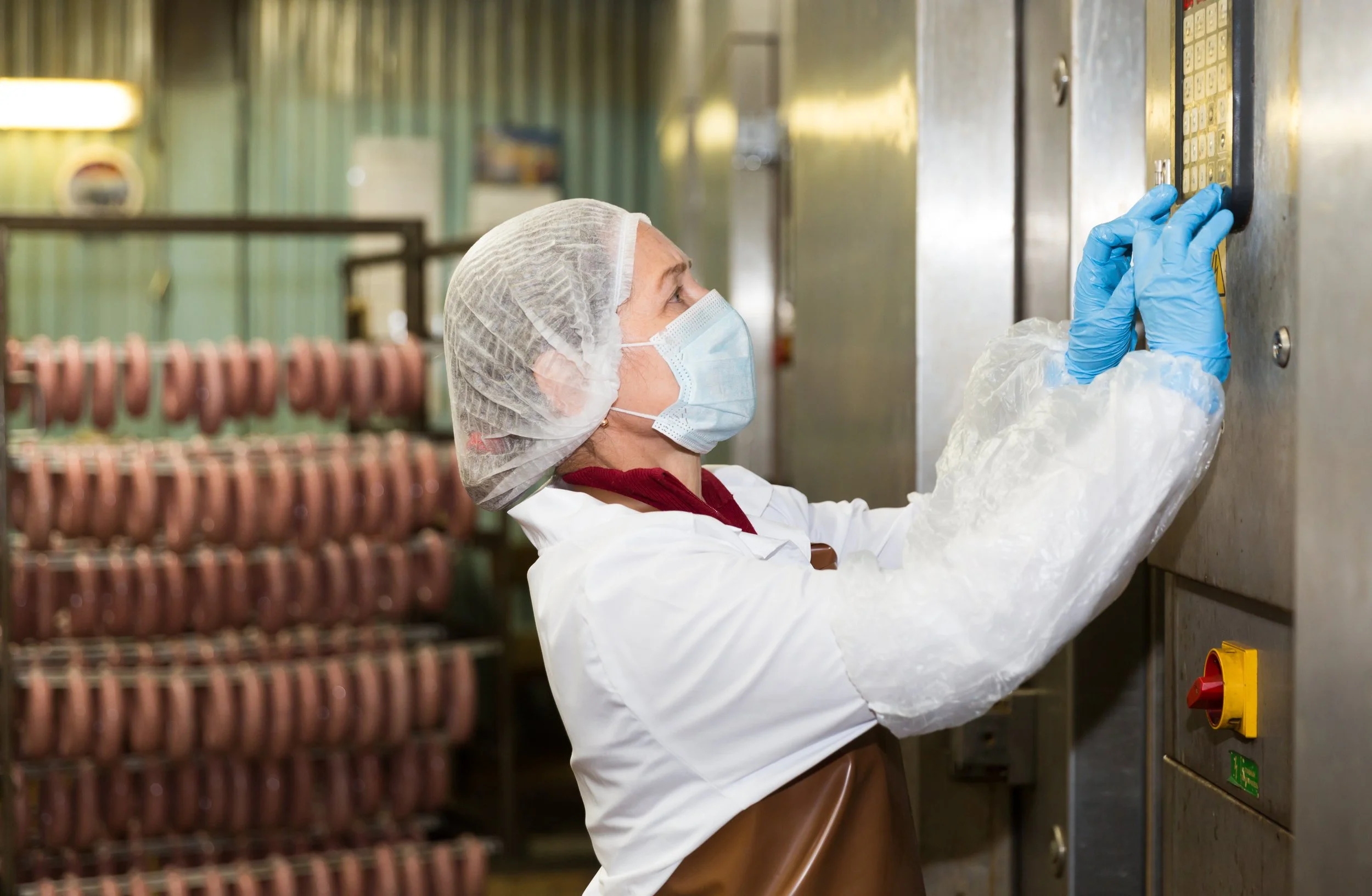
Food production brings together processing, packaging and sanitation, with each stage affecting the next. Staffing requirements can change with order volumes, product changeovers and cleaning schedules. Employers need workers who can maintain the required pace, handle products carefully and follow the facility’s food safety procedures.
-
Line workers, packers, sanitation workers and machine operators.
-
Line workers: Ability to follow production instructions, recognize visible product defects and maintain consistent handling throughout the shift.
Packers: Attention to product counts, packaging condition, seals, labels and date codes where these checks form part of the role.
Sanitation workers: Ability to follow documented cleaning procedures, chemical-handling instructions and the site’s protective equipment requirements.
Machine operators: Experience relevant to the equipment, accurate recording of required checks and clear reporting of operating issues.
Working conditions also shape candidate suitability. Chilled areas, wet environments, repetitive tasks and extended standing should be explained before an assignment begins. Food hygiene, allergen controls and prevention of cross-contamination should form part of the facility’s role-specific preparation.
-
We work with employers to understand the product, production area and duties before screening candidates. In-person interviews, document verification and clear assignment information help us assess experience, availability and suitability for the work.
-
Product type, line duties, working temperature, shift times, sanitation requirements and machine experience needed.
Bakery
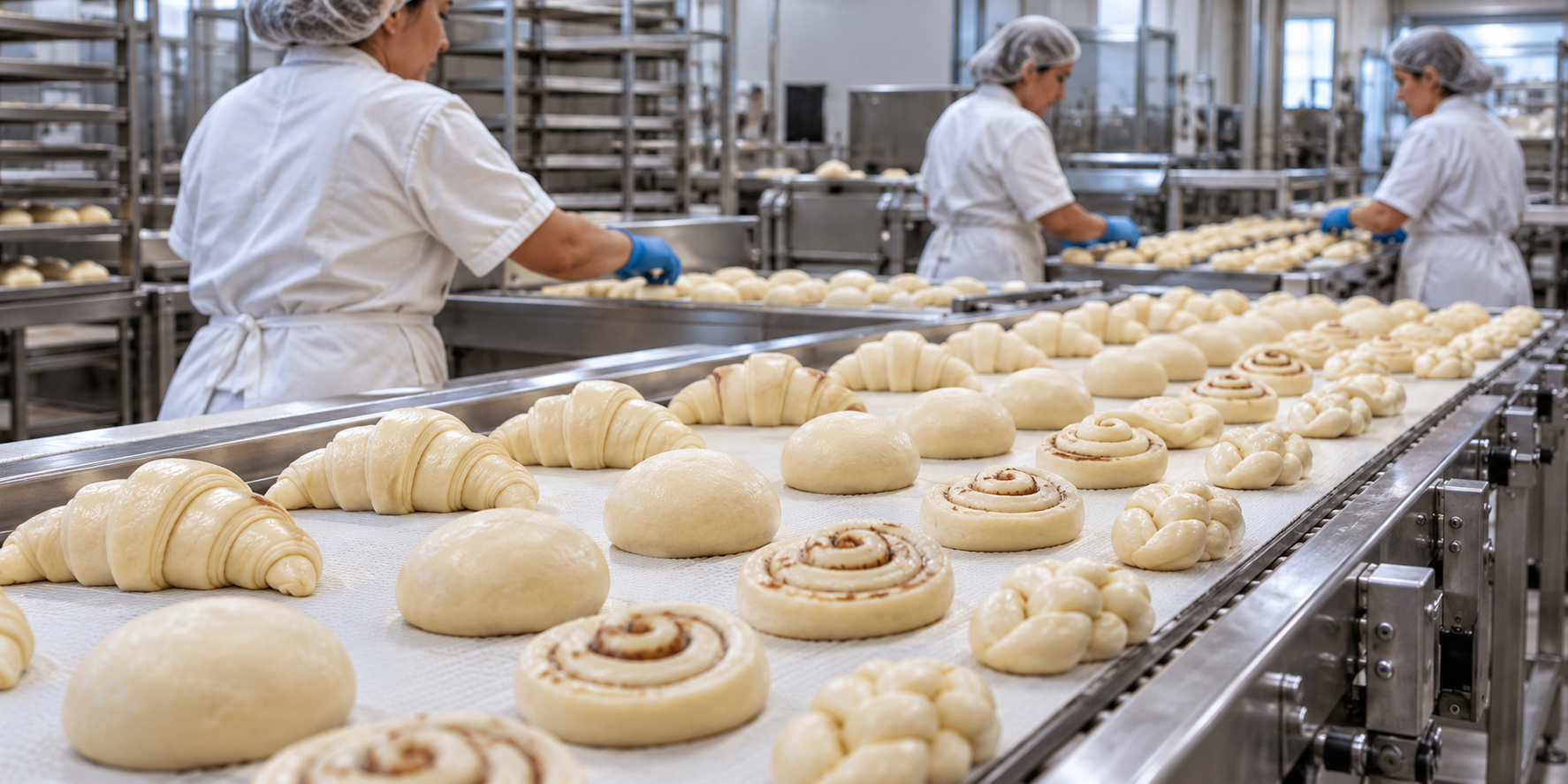
Bakery production depends on timing across mixing, baking, cooling and packaging. A staffing gap at one stage can affect the work that follows, particularly when products must move through a planned production schedule. Suitable workers need to understand their part in the process and follow the bakery’s recipes, handling instructions and quality expectations.
-
Mixers, oven operators, machine operators and packagers.
-
Mixers: Experience measuring ingredients, following batch instructions and recording quantities accurately where required.
Oven operators: Familiarity with the relevant oven system, monitoring specified baking settings and recognizing when products need attention.
Machine operators: Experience with the relevant mixing, forming, slicing or packaging equipment, including following operating procedures and reporting faults.
Packagers: Careful handling of finished products, consistent counts and attention to presentation, seals and labels.
Heat, ingredient handling, lifting and early or overnight shifts should be discussed during recruitment. Allergen procedures and cleaning between product runs also need to be understood for the assigned work.
-
We clarify whether you need experienced operators, production support or packaging staff, then screen against those duties. We also discuss shift availability and transportation, particularly for start times that can be difficult to reach by transit.
-
Product range, batch process, equipment used, lifting requirements, shift start times and expected assignment duration.

Warehouse & Distribution
Warehouse and distribution operations rely on the accurate receiving, storage, picking, packing and shipping of goods. Staffing shortages can slow order fulfilment, create backlogs and disrupt the movement of inventory. Suitable candidates need attention to detail, safe working habits and the ability to meet the pace and physical requirements of their assigned role.
-
Order pickers and packers, shipping and receiving workers, material handlers and forklift operators.
-
Order pickers and packers: Accuracy when selecting products, checking quantities and preparing orders, with experience using scanners or picking systems where required.
Shipping and receiving workers: Careful checking of incoming and outgoing shipments, accurate documentation and prompt reporting of damaged goods or quantity discrepancies.
Material handlers: Safe movement and organization of goods, attention to stock locations and the ability to keep picking areas and loading zones supplied.
Forklift operators: Relevant training and experience with the equipment used on site, careful load handling and awareness of pedestrians and warehouse traffic.
Equipment requirements should be defined clearly, including forklift types and any required training or certification. Picking, packing and material-handling duties should also specify product weights, scanner use and whether the work involves refrigerated or freezer environments.
-
We clarify the tasks, experience and working conditions for each position before screening candidates. This helps employers communicate what workers must already know and what will be covered through site-specific instruction, including warehouse procedures, equipment use and order accuracy expectations.
-
Product types, order volumes, picking and packing methods, equipment used, lifting requirements, workplace temperature, shift pattern and required experience.

Manufacturing
Manufacturing teams rely on coordinated work between machine operation, assembly, inspection and material handling. A staffing shortage can leave equipment waiting, interrupt material supply or increase pressure on existing employees. Suitable candidates need the practical skills and attention required for their station within the production process.
-
Machine operators, assembly workers, quality control personnel and material handlers.
-
Machine operators: Experience relevant to the machine and process, ability to follow work instructions and prompt reporting of faults or abnormal operation.
Assembly workers: Consistent workmanship, familiarity with the tools involved and ability to follow the required assembly sequence.
Quality control personnel: Experience with the specified inspection methods, accurate documentation and clear reporting of defects or deviations.
Material handlers: Careful identification and movement of components, with attention to stock locations and production supply needs.
Quality control duties should be defined clearly, including whether the role involves visual checks, measurements or specialized testing. Equipment operation, setup and troubleshooting should also be distinguished when describing machine roles.
-
We clarify the tasks, experience and working conditions for each position before screening candidates. This helps employers communicate what workers must already know and what will be covered through site-specific instruction.
-
Manufacturing process, machine types, tools, inspection duties, material weights and shift pattern.

Logistics & Courier
Logistics and courier operations bring together parcel handling, dock activity, loading and delivery. These teams work around departure times and delivery schedules, so accurate sorting, organized loading and dependable attendance matter throughout the operation. Staffing needs should reflect both the volume being moved and the responsibilities at each stage.
-
Delivery and courier drivers, dock workers, sortation workers and loaders.
-
Drivers: The licence class required for the vehicle, relevant driving experience and a driving record that meets the employer’s screening criteria.
Dock workers: Awareness of vehicle and pedestrian movement, organized freight staging and clear communication with the dock team.
Sortation workers: Accurate reading of labels, scanning and routing of parcels to the correct destination or delivery route.
Loaders: Careful handling, suitable load placement and ability to follow the operation’s loading sequence and instructions.
Driver requirements should explain the vehicle, route type, delivery frequency and customer contact involved. For dock and loading assignments, parcel weights, shift times and working conditions help establish suitability before placement.
-
We work with employers to clarify the duties and screening requirements for delivery and facility roles. Candidate screening considers relevant experience, availability and the practical demands of the assignment.
-
Vehicle type, licence requirements, route area, parcel weights, departure times and delivery-record requirements.
General Labour
General labour supports a wide range of production, cleaning and seasonal activities. A useful staffing request identifies the actual tasks: packing finished goods, moving materials, cleaning a production area or assisting an existing crew. Clear duties make it easier to select suitable workers and prepare them for the first shift.
-
Production support workers, sanitation workers and seasonal crews.
-
Production support: Ability to follow instructions, work alongside the existing team and maintain the required pace on repetitive tasks.
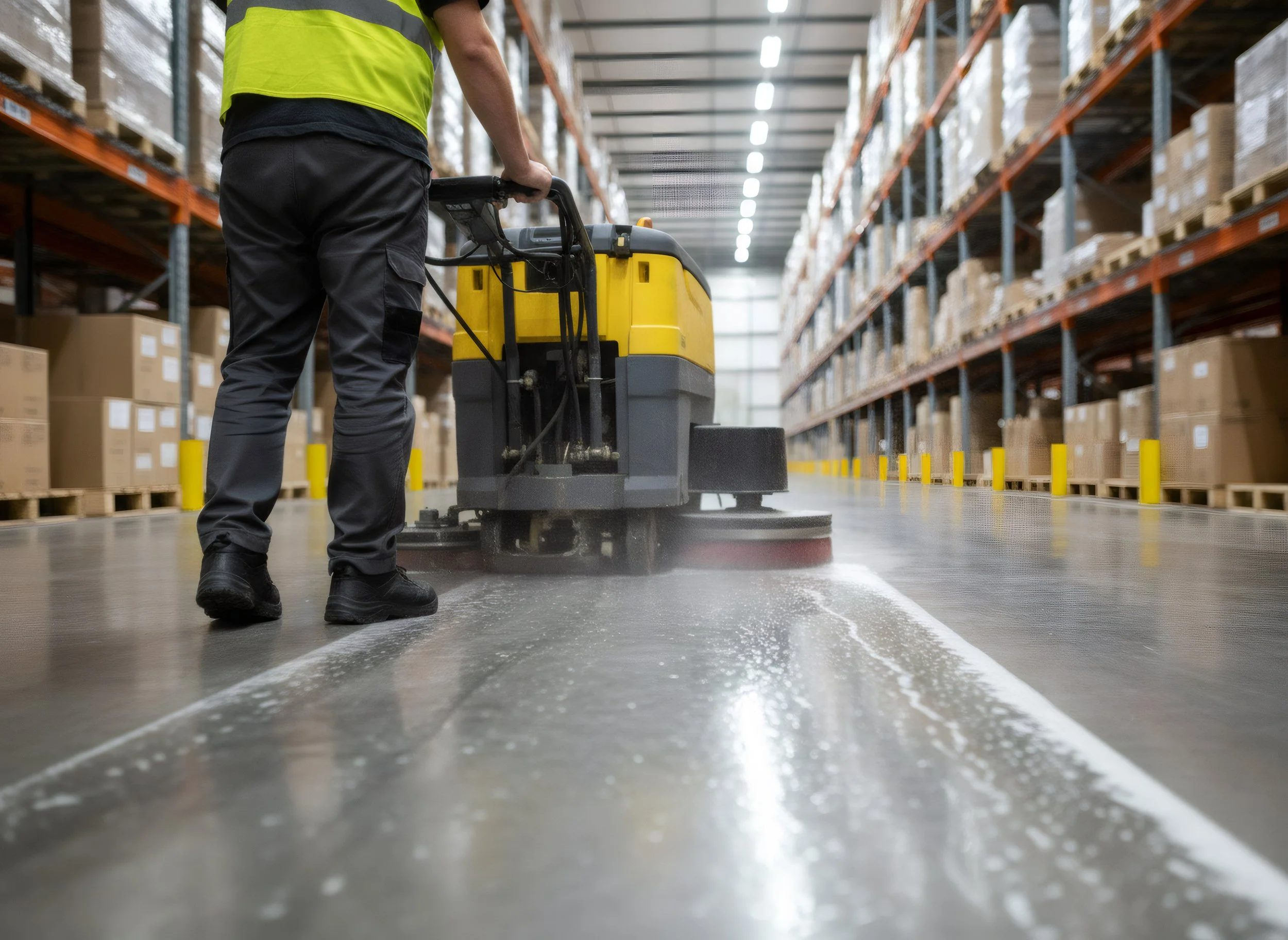
Sanitation: Understanding of the assigned cleaning duties, with preparation for the site’s chemicals, equipment and protective requirements.
Seasonal crews: Availability for the expected assignment period, reliable attendance and ability to adapt to the planned workload.
Suitability for the tasks: Capacity to perform the specified duties safely, taking account of lifting frequency, standing, walking and working conditions.
Employers should explain the level of supervision, tools involved and whether duties change during the shift. Clear arrival instructions, protective equipment requirements and an identified on-site contact also help workers begin the assignment with fewer avoidable delays.
-
We turn broad labour requests into clear assignment requirements, then screen for suitability and availability. In-person interviews, document verification and communication about the work support short-term coverage, ongoing assignments and seasonal staffing needs.
-
Specific tasks, lifting demands, indoor or outdoor conditions, required equipment, crew size and assignment duration.
Don’t see your industry or role listed?
Our staffing support extends beyond the categories shown here. Share your requirements with us, and we’ll discuss how Infinity can help you find suitable staff for your team.